Riding Gear Trends 2026
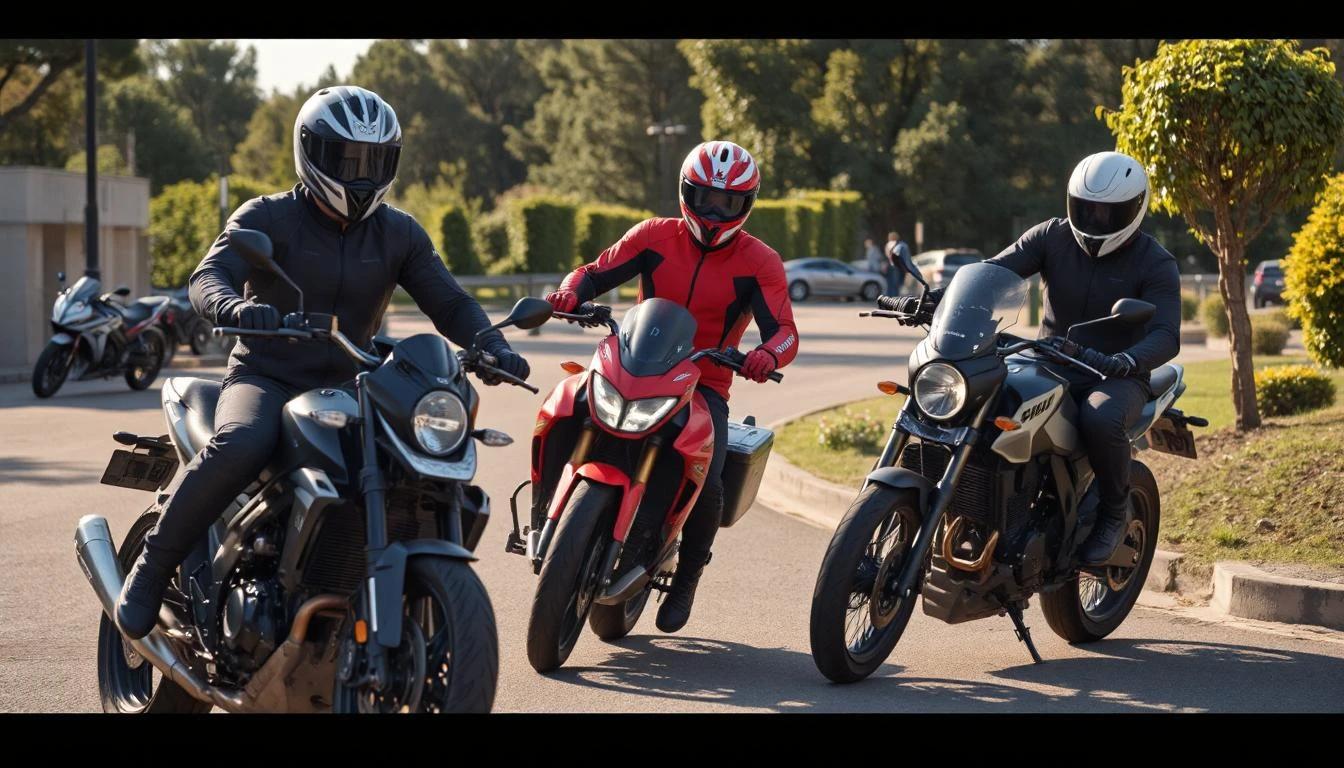
Riding in today’s world is no longer just about movement, it is about awareness, precision, and intelligent protection that evolves with every kilometer. Across global marketplaces, riders are shifting their expectations toward gear that is not only protective but also predictive, responsive, and seamlessly connected to modern mobility ecosystems. The conversation is no longer about what you wear, but how your gear interacts with your life on the road.
Modern riding culture is being reshaped by motorcycle safety equipment innovations, where advanced materials, embedded intelligence, and real-time responsiveness redefine rider protection standards. These innovations are transforming ordinary gear into adaptive systems that actively reduce risk while enhancing performance, especially in high-density urban traffic and long-distance touring environments.
Next Generation Riding Equipment
The future of riding equipment is unfolding rapidly, driven by engineering breakthroughs and rider demand for lighter, smarter, and more adaptive protection systems.
Riders today are questioning traditional limitations of bulky gear and exploring more responsive alternatives that integrate comfort with survival-level protection.
The shift toward intelligent safety ecosystems is no longer optional, it is becoming the new global standard for riders who value performance and longevity on the road.
Lightweight protective materials
The rise of high-performance composites is redefining how riders experience safety and mobility. Materials such as aramid blends, carbon-infused fibers, and micro-lattice textiles are replacing outdated heavy armor systems.
smart protective apparel is now central in global riding markets, offering breathability, flexibility, and impact resistance without adding unnecessary weight.
As Dr. Marcus Helder, a biomechanical safety researcher, explains, “The future of rider protection lies in materials that behave like a second skin, strong under pressure but invisible in motion.” His insight reflects a growing shift toward human-centered protective engineering.
Advanced impact protection systems
Impact protection has evolved into a science of energy redirection. Modern systems now distribute collision force across multiple layers using non-Newtonian materials and kinetic dispersion architecture.
This means protection no longer waits for impact, it actively manages it in real time.
Improved rider comfort features
Comfort is now engineered with equal priority as safety. Adaptive airflow systems, thermoregulating fabrics, and ergonomic tailoring ensure riders remain focused and fatigue-free across long journeys.
The balance between protection and comfort is no longer a compromise, it is a synchronized design philosophy shaping modern gear innovation.
Smart Technology in Riding Gear
Riding gear is becoming a digital companion rather than a passive layer of protection, integrating communication, monitoring, and environmental awareness into a single system.
This transformation is creating a deeply interconnected riding experience where data and safety work together seamlessly.
The global marketplace is responding quickly, with demand rising for intelligent riding ecosystems that enhance situational awareness.
Integrated communication devices
Mesh-enabled communication systems are revolutionizing group riding dynamics. Riders can now maintain stable communication across vast distances without signal interruption.
Terms like wireless helmet intercom systems and smart riding connectivity solutions are becoming standard search trends in global riding communities.
Wearable safety monitoring
Biometric tracking is becoming a critical innovation in rider safety. Jackets and suits now monitor heart rate variability, stress levels, and impact detection in real time.
As safety engineer Jonathan Reeves states, “Wearable monitoring is not about convenience, it is about intervention before escalation becomes critical.” This highlights how deeply integrated health and safety systems are becoming in riding gear.
Connected helmet innovations
Modern helmets are evolving into intelligent command centers featuring HUD displays, GPS overlays, and voice-controlled navigation systems.
These innovations reduce distraction while increasing real-time awareness, making riding safer in unpredictable environments.
Style and Performance Integration
The global riding gear market is merging performance engineering with modern aesthetics, creating a new identity for riders who value both protection and visual expression.
This evolution reflects a cultural shift where gear is no longer purely functional but also a form of technological fashion.
Riders are increasingly seeking gear that adapts to lifestyle, environment, and personal identity simultaneously.
Functional fashion trends
Techwear-inspired riding apparel is gaining traction, blending reflective materials, modular design, and urban styling.
Search demand for urban motorcycle fashion gear and protective street riding apparel continues to grow as riders prioritize both safety and identity expression.
Customizable riding apparel
Modular protection systems now allow riders to personalize armor placement, ventilation zones, and external design layers.
This customization trend is redefining individuality in riding gear, making each setup unique to the rider’s needs and environment.
All weather gear solutions
Adaptive thermal regulation systems now enable riders to transition seamlessly between climates without changing outfits.
This advancement supports global mobility and long-distance touring without compromising comfort or safety.
Upgrade Your Riding Gear for the Future
The evolution of riding gear is accelerating, and the gap between traditional equipment and intelligent systems is widening quickly. Riders who embrace innovation are experiencing not only improved safety but also a more intuitive riding experience that responds dynamically to their environment.
A transportation safety analyst, Dr. Elena Marquez, notes that “the next generation of riding protection will not simply reduce injury, it will anticipate and mitigate risk before human reaction is even triggered.” This perspective highlights how deeply predictive systems are becoming embedded in modern gear design.
The global shift toward motorcycle safety equipment innovations continues to influence how manufacturers design, test, and deploy next-generation protective systems across international markets.